
How Pets Can Help Children with Autism
Autism spectrum disorder (ASD) is a highly individualized neurodevelopmental disability that affects how people interact with others, communicate, and process the world around them. It often leads to challenges with social interaction, repetitive behaviors and heightened anxiety. Parents and therapists have long looked for complementary strategies that might support development and emotional well‑being. Animals and pets are increasingly part of these discussions because of their potential to provide unconditional affection, sensory regulation and opportunities for practicing skills in a low‑pressure environment. The evidence base is still developing, but research and lived experience suggest that pets can play a meaningful role in the lives of autistic children when chosen thoughtfully and integrated responsibly.
What does the research say?
Measuring human–animal interactions at home
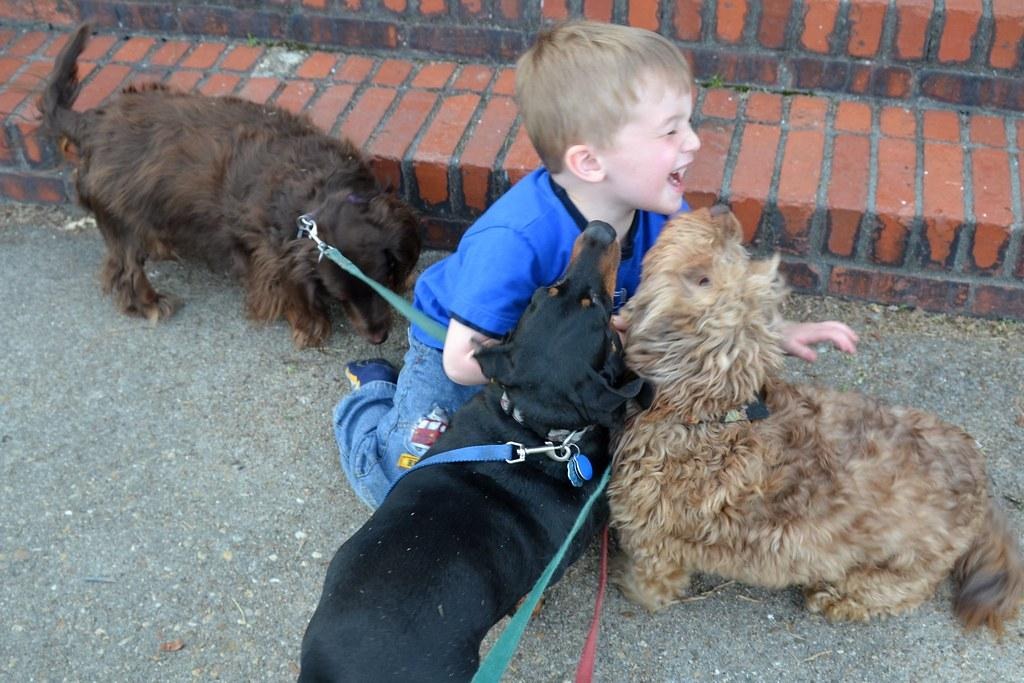
In 2024 researchers at the University of Kansas School of Health Professions conducted an exploratory study that looked at how pets might benefit children aged 6–11 with mild, moderate or severe autism. Parents recorded their children’s interactions with household pets, and the researchers coded the videos using a tool designed to measure emotional displays, communication, social behaviours and problem behaviours. The study found that children with moderate autism had the highest human‑animal interaction scores (even higher than those with mild autism) while those with severe autism had the lowest. Older children were also more likely to exhibit affectionate touch and gestures toward their pets, suggesting that age and development influence the quality of interactions. Parents acknowledged that cost and caretaking responsibilities were negatives, but they emphasized that having an animal in the home was comforting and calming for their child.
Dogs and social‑skills training
Evidence is strongest for dogs. The Human Animal Bond Research Institute (HABRI) funded a randomized study where children aged 8–14 participated in a 12‑week social‑skills program either with a therapy dog present or without one. Children in the dog‑assisted group reported greater improvements in social skills, perspective taking and theory of mind, and they showed fewer interpersonal and functional problems compared with children who received the same training without the dog.
Another HABRI‑funded study examined dog‑assisted activities for children aged 6–8 in a psychiatric hospital; the presence of a therapy dog led to more positive prosocial behaviours—children talked more, used more gestures and looked at both adults and peers more often than children who participated in the activities without a dog.
Reducing anxiety and stress
Stress‑related mental health problems such as depression and anxiety are common in autistic people; one survey cited by HABRI notes that 77 % of adults with autism experience depression or anxiety. Service dogs are a popular intervention in families that include a child with autism. Studies show that introducing a service dog into the family decreases anxiety and anger and increases calmness in children. Owning a pet dog—rather than a specially trained service dog—may ease stress for parents too. A longitudinal study comparing 22 families of children with autism who acquired a pet dog to 15 families without dogs found that parents in the dog‑owning group experienced declining stress levels and fewer dysfunctional interactions two and a half years after bringing the dog home. In fact, 20 % of parents in dog‑owning families improved from “clinically high” stress to normal levels, a change not seen in families without dogs.
Enhancing communication and social engagement
Research indicates that children with autism often interact more with peers when a therapy dog is present in the classroom. HABRI notes that dogs act as social catalysts, boosting confidence and making it easier for children to talk with others. Interviews with autistic adults in the United Kingdom report similar experiences: pet dogs provided a topic of conversation and promoted a sense of connection with others.
Small animals can also make a difference. A National Institutes of Health (NIH) report described a classroom study where children with autism spent 10 minutes playing with guinea pigs. Compared with other activities, the guinea‑pig sessions reduced anxiety and increased social engagement with peers. The researchers suggest that the animals’ unconditional acceptance and gentle nature help create a calming environment.
Teaching responsibility and empathy
Beyond social and emotional benefits, pet ownership can reinforce life skills. Children who are asked to help care for a family dog may develop a sense of responsibility and experience reduced depressive symptoms. Families in the Kansas study pointed out that owning an animal teaches children empathy; unlike interactions with siblings or peers, the child must learn to interpret non‑verbal cues and respect boundaries.
Considerations before bringing a pet home
Not every family or child will benefit from pet ownership. Important factors to weigh include:
- Allergies and health risks: While early exposure to pets might protect against asthma, people who are allergic to animals can experience worsening symptoms. The NIH warns that immunocompromised individuals and pregnant women are at higher risk of getting sick from animals and recommends hand‑washing and supervised interactions.
- Care responsibilities and cost: Dogs, cats and even small animals like guinea pigs require daily care, veterinary visits and an ongoing financial commitment. Parents in the Kansas study considered these factors negative aspects of pet ownership. Families should be realistic about the additional workload and involve children in age‑appropriate tasks.
- Matching temperament: Selecting the right animal matters. The Kansas researchers noted that the type, breed, size and temperament of the pet were critical criteria for families. A calm, patient animal is more likely to be a good fit for an autistic child, especially if the child is sensitive to loud noises or unpredictable movements.
- Training and supervision: Therapy or service dogs undergo extensive training to ensure they can interact safely. For household pets, consistent supervision and teaching children how to approach and handle the animal are essential. Experts recommend that children wash their hands after touching animals and avoid putting their hands in their mouths. Recognizing signs of stress in the pet protects both the child and the animal.
Other ways to enjoy animals
If adopting a pet isn’t feasible, families can still benefit from interactions with animals through alternative programs. Many communities offer animal‑assisted therapy sessions at clinics or schools, where trained animals and professionals guide interactions. Visiting farms, equine therapy centres or small‑animal classrooms are other options. Even watching fish swim in an aquarium has been linked to reduced stress and improved mood.

Pets are not a cure for autism, and their effects can vary widely depending on the child’s needs, the type of animal and the family’s circumstances. Still, a growing body of research suggests that dogs, cats, guinea pigs and other companion animals can provide tangible benefits for some autistic children. These benefits include reduced anxiety and stress, improved social interaction and communication, opportunities to practice responsibility and empathy, and enhanced family well‑being. Careful matching of pet and child, realistic preparation for the responsibilities involved, and awareness of safety and health considerations can help families decide whether inviting an animal companion into their home is the right choice.


Leave a Reply