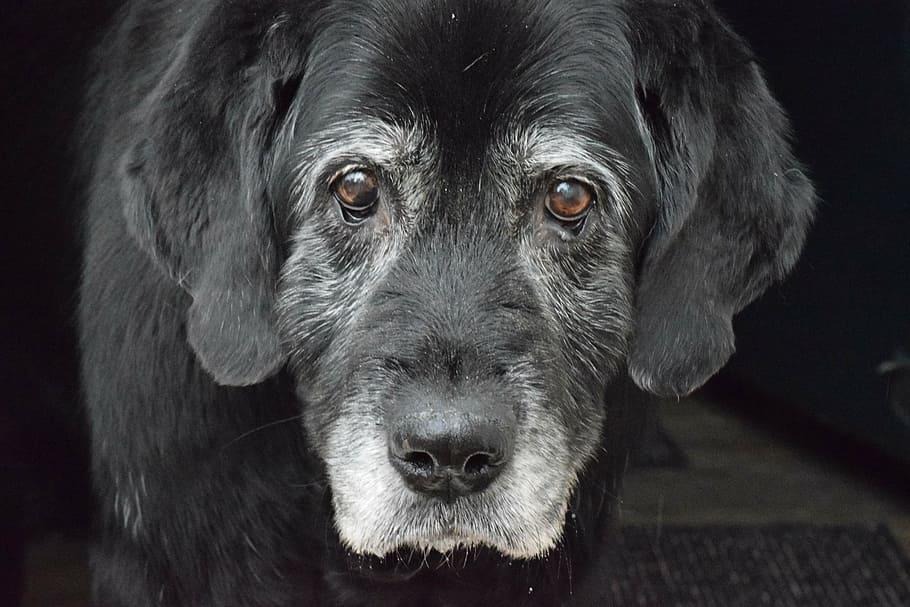
Healing After Goodbye: Coping with the Loss of a Beloved Pet
The loss of a pet can be one of the most emotionally painful experiences a person faces. Pets are not just animals—they are companions, family members, sources of comfort, and part of our daily routines. Whether it’s a loyal dog, an affectionate cat, or a tiny companion like a rabbit or bird, saying goodbye can leave a deep void.
Why the Grief Is So Real
Grief over a pet is often underestimated by others, but for the one experiencing it, the pain is deeply real. Pets offer unconditional love, nonjudgmental presence, and a unique bond that can sometimes feel even deeper than with humans. When they’re gone, it’s not just a loss of a living being—it’s a loss of routine, comfort, companionship, and emotional support.
Common Feelings After a Pet’s Passing
People grieving a pet often go through the same stages of grief experienced after any loss:
- Denial: “This can’t be real.”
- Anger: “Why did this happen?”
- Guilt: “Did I make the right decision?”
- Depression: A heavy sadness, isolation, or lack of motivation.
- Acceptance: Finding peace and cherishing the memories.
It’s important to understand that all these emotions are valid—and they may come in waves rather than in a straight line.
Ways to Cope with Pet Loss
1. Allow Yourself to Grieve
Don’t rush healing or suppress your emotions. Cry if you need to. Talk about your pet. Look through old photos. Acknowledge that your grief is justified, and it will take time.
2. Create a Tribute
Honor your pet’s memory in a way that feels meaningful. This could be:
- Making a scrapbook or photo album
- Planting a tree or flower in their memory
- Writing a letter to your pet
- Creating art, music, or poetry
These acts can be cathartic and keep the bond alive in a new form.
3. Seek Support
Talk to friends or family who understand. If you feel alone, join a pet loss support group—many communities and online spaces exist for this purpose. Sometimes, speaking with a counselor or therapist can help process deeper emotions.
4. Maintain Routine
The absence of your pet may disrupt your daily rhythm. Try to keep a consistent schedule—it can offer a sense of stability, even in a difficult time.
5. Talk to Children Honestly
If children are grieving too, be open and age-appropriate. Avoid saying the pet “ran away” or “went to sleep.” Honest, loving explanations help children develop healthy coping mechanisms.
6. Don’t Rush Into a New Pet
Some people want to fill the void immediately with another animal—but it’s okay to wait. Make sure the decision comes from love and readiness, not guilt or pressure.
Letting Go Doesn’t Mean Forgetting
Letting go of the pain doesn’t mean forgetting your pet. You will always carry the love, the memories, and the lessons they brought into your life. In time, that sorrow may soften into gratitude for the time you had together.
Losing a pet is heartbreaking, but you are not alone. By acknowledging your grief, expressing it in meaningful ways, and allowing yourself to heal at your own pace, you can move forward without letting go of the beautiful bond you shared. Remember: grief is love with nowhere to go. Let it guide you gently, until the memories bring more smiles than tears.


Leave a Reply